The Real Estate Experience You Deserve. Schedule a 1-on-1 strategy call to discuss what matters most to you. Book a Call
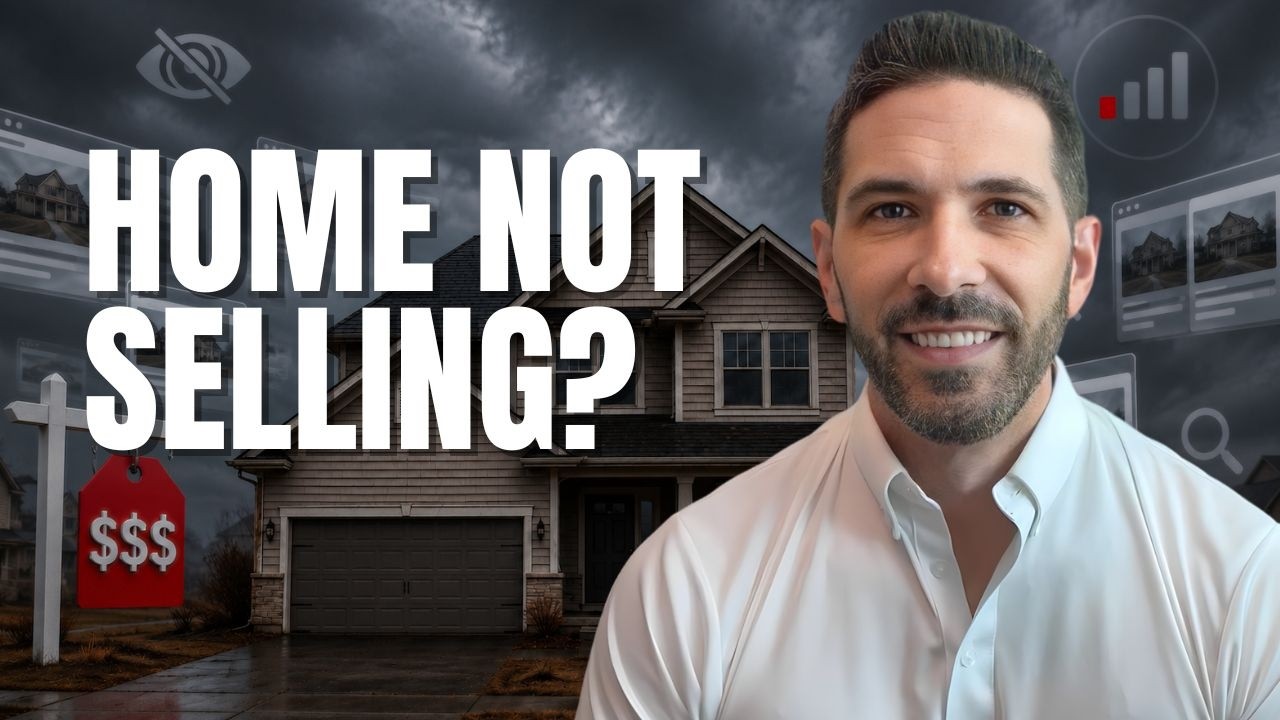
If you bought a home in the last couple of years, put a little down, and now realize you need to sell before you’ve built up much equity, you might be doing some scary math right now. You may owe close to what the home is worth, or even a bit more. If you’re wondering whether you’re stuck, we want to talk to you directly, because you’re not stuck, and you may have more options than you think.
This isn’t most Portland homeowners. Let’s be clear about who this is for. If you’ve owned your home for more than a few years, you almost certainly have real equity, and none of this applies to you.
But there’s a specific group we’ve been hearing from more lately: folks who bought recently, in the last two or three years, with a low down payment, and then life changed faster than the market did. A job relocation, a divorce, a new baby, a family situation, something that means you have to sell now, before you’ve had time to gain value or pay the loan down much. When that happens, you can end up owing about what the house is worth, sometimes more once you factor in the cost of selling. It’s an unsettling place to be, but it’s a solvable one, and the worst thing you can do is freeze and ignore it.
Run the real numbers, not the scary ones. The first thing to do is get actual figures instead of the frightening estimates running through your head. Get a true sense of what your home would sell for today, and line that up against what you still owe plus the cost of selling.
Sometimes people assume they’re underwater when they’re actually just close, and a home that’s priced and prepared right can clear the loan and the costs with a little room to spare. Other times, the gap is real. Either way, you need real numbers before you can make a good decision, and that’s a free conversation to have. Knowing exactly where you stand takes a lot of the fear out of this, because a real number is almost always less frightening than the unknown.
If you’re close, a normal sale is usually cleanest. If it turns out you can cover the gap, or you’re close enough to bring a little to closing, a normal sale is typically the simplest path, and we can talk through how to prepare the home so you net the most. But if the gap is real and you truly can’t cover it, that’s where a short sale comes in, and it’s worth understanding what that actually is.
A short sale is a structured way out. It simply means your lender agrees to accept less than what you owe, so the home can sell. You wouldn’t be the first person to do this. Lenders have entire departments for it, and in the right situation, they’d rather approve a short sale than take a home back. It isn’t a magic eraser, and it isn’t free of consequences, but it’s a legitimate way out that keeps you in the driver’s seat instead of letting things spiral.
Here are the honest trade-offs. Since you deserve the honest version: a short sale does affect your credit, though typically less than a foreclosure would. There can also be tax implications, because forgiven debt is sometimes treated as income, and the rules on that have changed over the years at both the federal and state level.
Here’s the important part. We’re Realtors, not tax advisors or attorneys, and this is exactly the kind of situation where you want real professional guidance for your specific circumstances. So the honest answer is that a short sale has real consequences, usually more manageable than a foreclosure, and before you commit to anything, you should sit down with a tax professional and a real estate attorney. We can help you get those conversations started with people we trust.
The earlier you deal with it, the more options you have. If there’s one thing to take from this, it’s that everything gets easier when you’re ahead of it and harder when you wait. If you reach out while you’re just starting to worry, you might have a normal sale, a well-run short sale, or an option we haven’t even mentioned yet, like renting it out for a while to bridge the gap.
If you wait until you’ve missed payments and the pressure is really on, those good options start closing one by one. Time is genuinely the most valuable thing you have here, and it’s the one thing that quietly disappears while the problem goes unaddressed. Please don’t wait until a crisis to ask for help.
So if any of this sounds like your situation, here’s what we’d tell you: take a breath, and let’s just talk. We’ll run the real numbers, tell you honestly where you stand, and walk you through every option that fits, from a normal sale to a short sale to something else entirely. You’ll know your actual numbers by the end of the conversation, whether or not you ever list with us. And if it turns out you’re in better shape than you feared, that’s a great conversation too. You don’t have to figure this one out alone, and reaching out early costs you nothing but a little time.
When you’re ready to know exactly where you stand, call or text us at 503-300-6224, email us at tony@apaclarketeam.com, or visit apaclarketeam.com. We’ll give you the straight answer and help you find the path that fits.
-
The Real Estate Experience You Deserve. Schedule a 1-on-1 strategy call to discuss what matters most to you. Book a Call
-
What is My Home Worth. Get a home value estimate to see how much you could sell for and how fast based on key trends in your area. Get Estimate
-
Free Real Estate Newsletter. Get our latest Q&A, insights, and market updates to make smarter decisions. Subscribe Now